

What if a tree bark used by ancient Mayan healers could hold the key to modern skincare innovation? Tepezohuite, scientifically known as Mimosa tenuiflora, has emerged from traditional medicine into the spotlight of contemporary dermatology. After the Red Cross used tepezohuite bark powder to treat more than 5,000 burn victims from the 1984 Mexico City gas explosion, researchers began investigating its remarkable healing properties.
Today, as the global skincare market is projected to reach $220.75 billion by 2029, natural and science-backed ingredients like tepezohuite are gaining unprecedented attention. This comprehensive guide explores the evidence-based benefits of tepezohuite, its applications in modern skincare, and what consumers should know before incorporating it into their routines.
What is Tepezohuite?
Tepezohuite (pronounced: teh-pez-oh-WEE-teh), scientifically known as Mimosa tenuiflora, is a perennial tree native to Mexico and Central America, particularly valued for its medicinal bark. Indigenous communities have utilized this natural resource for centuries, earning it the nickname “the tree of skin” for its remarkable healing properties.
Key Components
The therapeutic power of tepezohuite stems from its rich chemical composition:
Antioxidants: Flavonoids serve as powerful antioxidants that help defend the body against oxidative stress and free radicals, protecting skin from environmental damage.
Tannins: These polyphenolic compounds possess astringent and antimicrobial properties that support wound healing and reduce inflammation.
Lipids and Saponins: Natural moisturizing compounds that help maintain skin barrier function and promote cellular regeneration.
Xylose: A natural sugar found in wood that may help maintain healthy skin barrier integrity.
Evidence-Based Benefits of Tepezohuite
Wound Healing and Ulcer Treatment
The most compelling evidence for tepezohuite’s benefits comes from clinical studies on wound healing. A controlled clinical trial found that patients with venous leg ulcers who received topical application of hydrogel containing M. tenuiflora extract experienced a 92 percent reduction in ulcer size after 13 weeks, while the control group showed minimal improvement.
Research in Mexico has demonstrated that the bark possesses antimicrobial action against a wide variety of bacteria, along with wound healing properties, making it particularly effective for treating various skin lesions.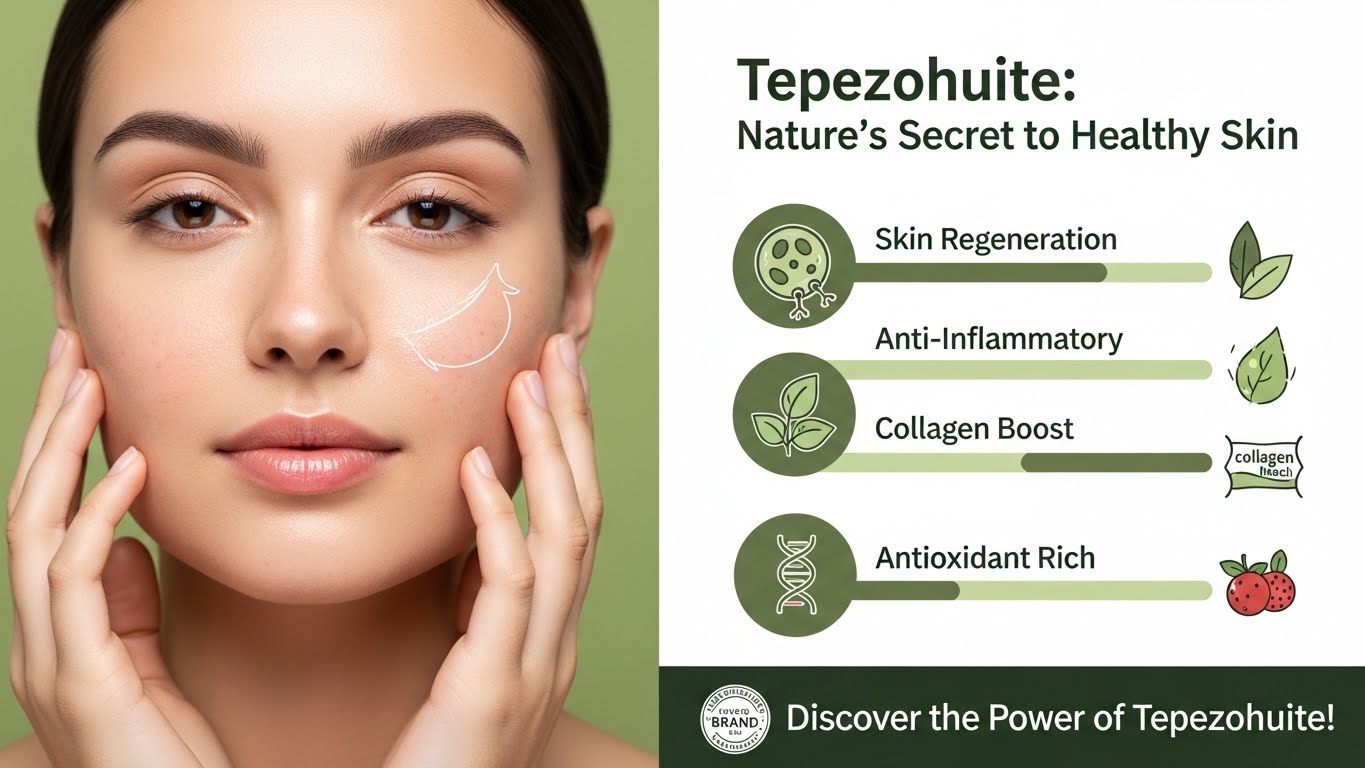
Anti-Inflammatory and Pain Relief
A 2016 study found that Mimosa tenuiflora extract exhibited pain-relieving and anti-inflammatory effects, with researchers suggesting the extract has antinociceptive properties, meaning it can block the detection of painful stimuli by sensory neurons.
This dual action makes tepezohuite potentially valuable for managing inflammatory skin conditions and discomfort associated with various dermatological issues.
Antimicrobial Properties
An in vitro study indicated that M. tenuiflora extracts inhibited the growth of gram positive and gram negative organisms, yeasts and dermatophytes. These broad-spectrum antimicrobial properties contribute to its effectiveness in preventing infection in wounds and damaged skin.
Anti-Aging and Skin Rejuvenation
While direct clinical evidence for anti-aging effects remains limited, tepezohuite’s high antioxidant content suggests potential benefits. The presence of flavonoids and tannins may help protect against UV radiation damage and environmental stressors that accelerate skin aging.
Celebrity endorsements, including actress Salma Hayek crediting tepezohuite for her youthful appearance, have sparked consumer interest in its anti-aging applications, though more rigorous research is needed to confirm these effects.
Scar Reduction
Traditional use and anecdotal evidence suggest tepezohuite may help minimize the appearance of scars. Its ability to accelerate cell proliferation and support tissue regeneration could theoretically improve scar healing, though controlled studies specifically examining this benefit are still lacking.
Current Research Limitations
Despite promising preliminary findings, it’s important to acknowledge the research gaps surrounding tepezohuite:
Limited Human Studies: Despite claims that tepezohuite can treat various skin issues such as aging, acne, and psoriasis, no research trials are available on the subject.
Funding Constraints: Tepezohuite’s properties have not been confirmed in scientific research, mostly due to a lack of funding for research into this ingredient.
Mixed Results: Some studies have shown contradictory findings, with a 2012 study finding no significant improvements in leg ulcer healing compared to controls, despite earlier positive results.
Applications in Modern Skincare
As the global skincare market grows, with natural and organic products driving significant demand, tepezohuite is increasingly featured in commercial formulations:
Product Types
Creams and Moisturizers: Hydrating formulas that leverage tepezohuite’s skin-nourishing properties
Serums: Concentrated treatments targeting specific concerns like aging or inflammation
Cleansers: Gentle formulations that harness antimicrobial benefits
Masks: Intensive treatments for skin rejuvenation
Ointments: Targeted applications for wound healing and skin repair
Market Growth
The skincare industry’s shift toward natural ingredients aligns perfectly with tepezohuite’s profile. With consumers increasingly prioritizing clean beauty and sustainable sourcing, ingredients backed by traditional use and emerging scientific evidence are gaining market traction.
Safety Considerations and Side Effects
Topical Use: Generally considered safe when applied to skin, with few reported adverse reactions. Some users may experience mild tingling or irritation.
Pregnancy Warning: Animal studies have suggested that consuming tepezohuite seeds and fresh leaves may result in fetal abnormalities or embryonic death, so pregnant women should avoid using tepezohuite products.
Patch Testing: Always conduct a patch test before widespread application, especially for those with sensitive or allergy-prone skin.
Internal Use: The safety of oral consumption has not been established in human studies, despite its use in some traditional practices.
How to Use Tepezohuite Products
Application Guidelines
Start Slowly: Introduce tepezohuite products gradually into your routine
Follow Instructions: Adhere to product-specific usage guidelines
Monitor Results: Track your skin’s response over several weeks
Consult Professionals: Speak with a dermatologist before use, especially if you have existing skin conditions
Combining with Other Ingredients
Tepezohuite works well with complementary skincare ingredients like hyaluronic acid, vitamin C, and peptides. However, avoid combining it with harsh active ingredients without professional guidance.
The Future of Tepezohuite in Skincare
Research Directions
Ongoing scientific interest in tepezohuite may lead to:
More rigorous clinical trials examining specific applications
Better understanding of active compounds and mechanisms of action
Development of standardized extracts for consistent efficacy
Investigation of combination therapies with other natural ingredients
Market Potential
As consumer demand for sustainable, natural skincare solutions continues rising, tepezohuite is positioned to capture growing market share. The global trend toward clean beauty, coupled with increasing investment in botanical research, suggests expanded commercial applications ahead.
Conclusion
Tepezohuite represents a fascinating intersection of traditional wisdom and modern skincare science. While clinical evidence supports its wound healing and antimicrobial properties, many purported benefits remain scientifically unproven. The ingredient’s rich history, combined with emerging research and growing consumer interest, makes it a noteworthy player in the evolving skincare landscape.
For consumers interested in exploring tepezohuite products, choosing reputable brands, conducting patch tests, and maintaining realistic expectations based on current evidence is essential. As research continues, we may gain deeper insights into this ancient remedy’s full therapeutic potential.
Are you considering adding tepezohuite to your skincare routine? Explore more health and wellness insights on AI Tech Muz, where we analyze the science behind trending ingredients and emerging technologies in personal care.






Leave feedback about this