

We all know that sleep is crucial for overall well-being, but did you know that it plays a significant role in your weight loss and fitness goals? While most people focus on diet and exercise when aiming to lose weight or improve fitness, the quality of your sleep can have an equally profound effect on your progress. Sleep impacts hormones, metabolism, muscle recovery, and even your ability to make healthy decisions, all of which contribute to your success in achieving fitness and weight loss goals.
In this article, we’ll explore how sleep quality directly influences weight loss and fitness and provide practical tips to improve your sleep for better results.
The Connection Between Sleep and Weight Loss
1. Hormonal Imbalance and Appetite Regulation
Sleep deprivation can wreak havoc on your hormones, especially those responsible for regulating hunger and satiety. Two key hormones involved are ghrelin and leptin:
- Ghrelin is the hunger hormone, and it increases when you’re sleep-deprived, making you feel hungrier.
- Leptin is the satiety hormone, and its levels drop with insufficient sleep, making it harder for your body to signal when you’re full.
When your sleep quality is poor, your body tends to crave high-calorie, sugary foods, which leads to overeating. It can directly hinder weight loss efforts. Studies have shown that people who sleep less tend to consume more calories, often without realizing it.
2. Insulin Sensitivity
Sleep is also vital for maintaining insulin sensitivity. Insulin is a hormone that helps regulate blood sugar levels. Poor sleep can lead to insulin resistance, where your body becomes less effective at using insulin, potentially leading to weight gain, especially around the abdomen.
Inadequate sleep can cause an increase in blood sugar levels. If this is chronic, it could contribute to weight gain and even the development of metabolic conditions like Type 2 diabetes.
3. Increased Stress and Cortisol Levels
Lack of sleep can elevate your body’s production of cortisol, the stress hormone. Chronically high cortisol levels can lead to weight gain, especially in the belly area. Cortisol is known to promote fat storage, particularly when you’re stressed or not getting enough rest. It also affects your decision-making, leading to unhealthy food choices, further derailing your weight loss goals.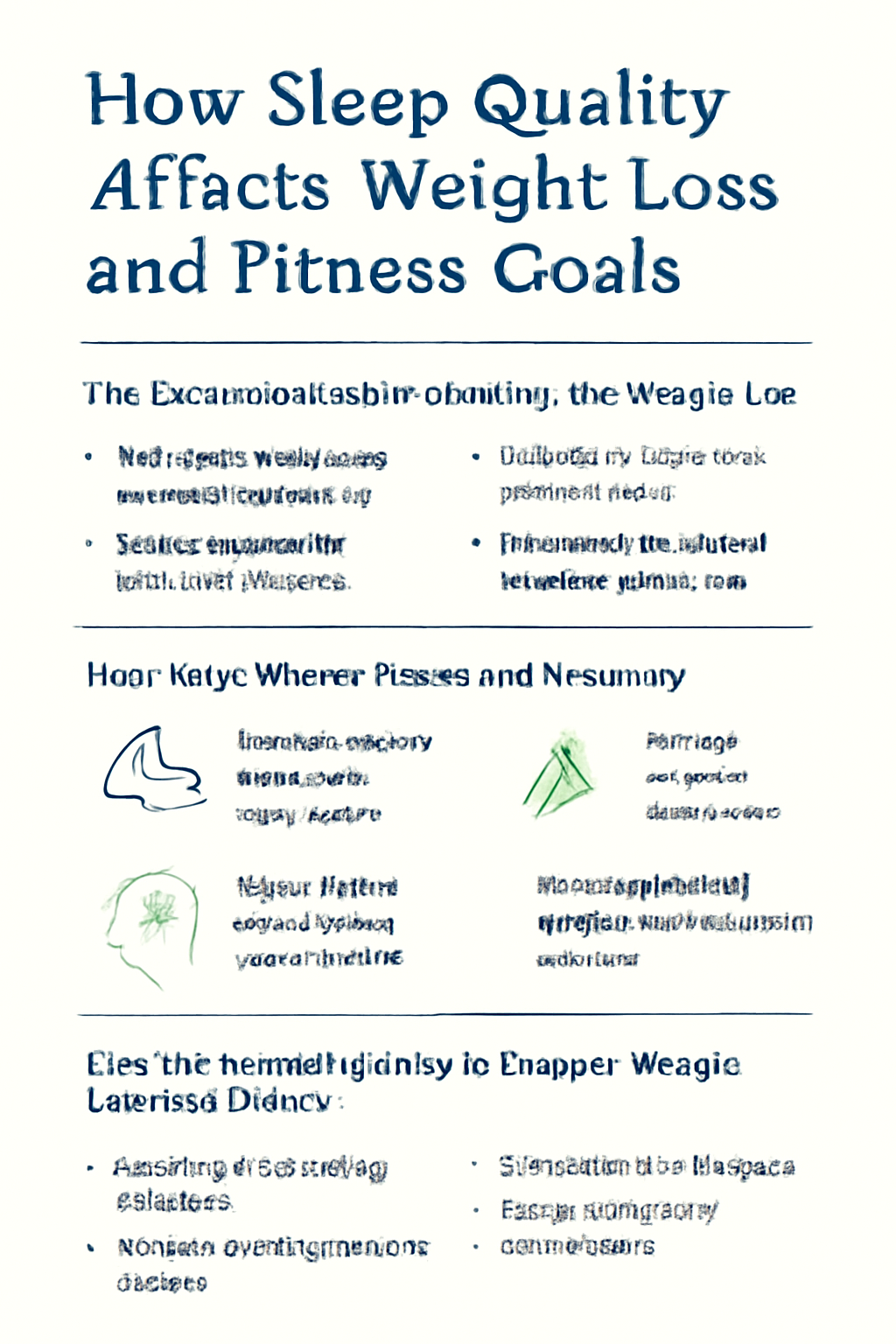
How Sleep Affects Fitness and Recovery
1. Muscle Recovery and Growth
When you work out, you create tiny tears in your muscle fibers, which need to be repaired and rebuilt to grow stronger. Sleep is the time when this repair process happens most effectively. During deep sleep, the body releases growth hormone, a crucial factor in muscle recovery and growth.
Lack of quality sleep can delay muscle repair, hinder performance, and increase the risk of injury, ultimately slowing down your progress toward fitness goals. Without enough sleep, your muscles don’t recover fully, which can leave you feeling fatigued, diminishing your ability to train effectively in subsequent workouts.
2. Energy Levels and Workout Performance
Good sleep enhances your energy levels and boosts endurance during exercise. When you’re well-rested, your cardiovascular health improves, and your body is better equipped to handle strenuous activities. Poor sleep, on the other hand, can lead to fatigue, decreased motivation, and slower reaction times, which negatively impact your performance during workouts.
Sleep deprivation is also linked to a reduction in your body’s ability to burn fat during exercise. It makes it harder to achieve your fitness goals, especially if you’re aiming for fat loss.
3. Mental Focus and Motivation
Fitness isn’t just about physical strength; it also requires mental resilience and motivation. Sleep deprivation can impair your cognitive function, making it harder to stay focused during workouts. A lack of sleep also impacts your mood, potentially decreasing motivation and making it harder to stick to a consistent fitness routine.
When you’re sleep-deprived, you may feel less inclined to exercise or push yourself as hard during workouts. This mental fatigue can result in missed workouts or less intense sessions, which will ultimately hinder your progress.
Tips for Improving Sleep to Support Weight Loss and Fitness
To optimize your sleep and improve your weight loss and fitness results, consider the following tips:
1. Stick to a Regular Sleep Schedule
Try to go to bed and wake up at the same time every day, even on weekends. It helps regulate your body’s internal clock, leading to better-quality sleep. Consistency is key to resetting your circadian rhythm, which in turn supports hormone regulation, appetite control, and muscle recovery.
2. Create a Relaxing Bedtime Routine
Wind down before bed by avoiding screens (phones, laptops, TVs) for at least 30 minutes. The blue light emitted by devices interferes with the production of melatonin, the hormone responsible for inducing sleepiness. Consider activities like reading, meditating, or taking a warm bath to relax your mind and body.
3. Prioritize Sleep Duration
Aim for 7-9 hours of sleep each night. While some people may feel fine with less sleep, the vast majority of adults need at least 7 hours of good-quality rest to maintain optimal health, weight, and fitness levels. Pay attention to how your body feels after different amounts of sleep, and find your ideal amount for maximum performance.
4. Optimize Your Sleep Environment
Your sleep environment plays a significant role in sleep quality. Keep your bedroom calm, dark, and quiet. Consider using blackout curtains, earplugs, or a white noise machine to eliminate distractions. Make sure your mattress and pillows are comfortable and supportive.
5. Be Mindful of Diet and Caffeine
Avoid large meals and caffeine in the hours leading up to bedtime. Caffeine is a stimulant that can interfere with your ability to fall asleep, while heavy meals can cause discomfort and disrupt sleep. Instead, opt for a light, healthy snack if you’re slightly hungry before bed.
Conclusion
Sleep is often an overlooked factor in achieving weight loss and fitness goals, but its importance cannot be overstated. Quality sleep influences key aspects such as appetite regulation, metabolism, muscle recovery, and energy levels, all of which are vital to your success. By prioritizing sleep and making simple adjustments to your routine, you can significantly enhance your ability to lose weight, gain muscle, and perform better during workouts.
Remember: sleep isn’t just for rest; it’s an essential part of your fitness journey. So, start taking your sleep seriously and watch your fitness and weight loss goals become more attainable than ever.
Call to Action
Looking to improve your overall fitness and health? Explore more tips and strategies on AI Tech Muz for better results. Stay updated and subscribe to our newsletter for the latest insights on health, fitness, and technology!




Leave feedback about this