

In today’s fast-paced world, stress has become an inevitable part of our daily lives. Whether it’s the pressure of a demanding job, personal life challenges, or the constant influx of information from various sources, managing stress is crucial for maintaining mental and physical well-being. But what works when it comes to stress management? In this article, we’ll explore effective, research-backed techniques that can help you reduce stress and lead a more balanced life.
Understanding Stress and Its Impact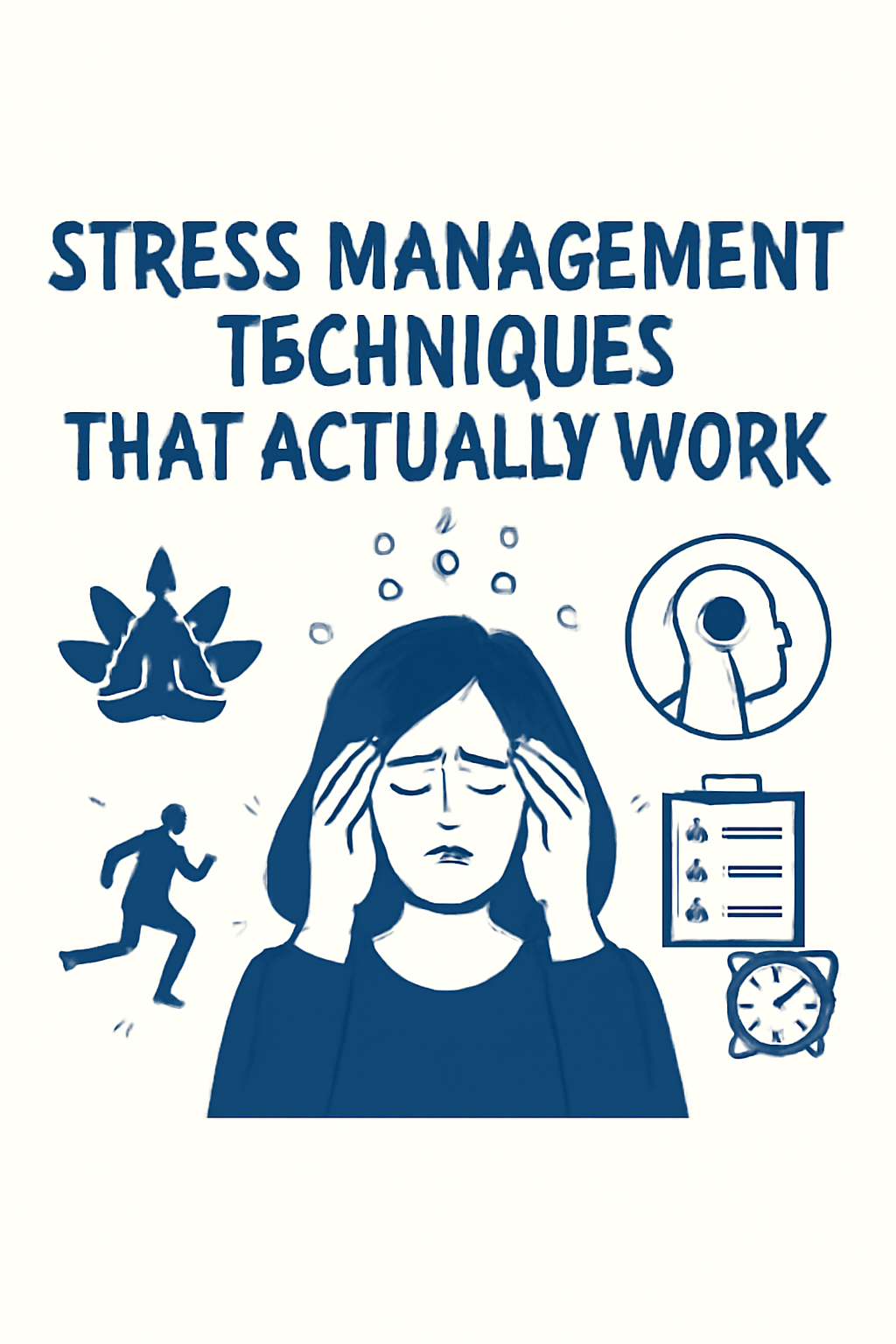
Before diving into the techniques, it’s essential to understand what stress is and how it affects the body and mind. Stress is the body’s response to any demand or challenge. While it can be beneficial in short bursts (like during a presentation or important meeting), chronic stress can lead to significant health issues, such as:
- Physical health problems: High blood pressure, heart disease, and digestive issues.
- Mental health concerns: Anxiety, depression, and burnout.
- Decreased productivity: Difficulty focusing and making decisions.
Recognizing the signs of stress and taking proactive steps can help mitigate its effects, improving both your health and productivity.
1. Practice Mindfulness Meditation
Mindfulness meditation involves focusing your attention on the present moment without judgment or attachment. Research has shown that regular mindfulness practice can lower stress levels, enhance emotional regulation, and increase overall well-being.
How it Works:
Mindfulness encourages you to pause and observe your thoughts and feelings without reacting to them. This awareness helps you distance yourself from stress triggers and respond in a calmer and balanced manner.
How to Start:
- Find a quiet, comfortable space to sit.
- Close your eyes and focus on your breathing.
- If your mind wanders, gently bring your focus back to your breath.
- Start with just 5-10 minutes a day and gradually increase the time.
Why It Works:
Mindfulness meditation activates the parasympathetic nervous system (the body’s relaxation response), reducing the production of stress hormones like cortisol. Over time, this practice can significantly lower overall stress levels.
2. Exercise Regularly
Physical activity is one of the most effective ways to combat stress. Exercise doesn’t just improve physical health; it also promotes mental well-being by releasing endorphins, the body’s natural “feel-good” chemicals.
How it Works:
Exercise boosts circulation, improves mood, and reduces anxiety by balancing stress hormones. Whether it’s a vigorous workout or a gentle walk in the park, moving your body helps relieve tension and stress.
How to Start:
- Aim for at least 30 minutes of moderate exercise a few times a week.
- Activities like walking, cycling, yoga, and swimming are great for relieving stress.
- Find an activity you enjoy, as consistency is key to reaping the stress-reducing benefits.
Why It Works:
Exercise improves sleep, boosts energy levels, and promotes a sense of accomplishment—all of which contribute to reducing stress.
3. Deep Breathing Techniques
Deep breathing exercises are simple but highly effective in reducing stress. These techniques activate the body’s relaxation response, helping you regain control over your emotions.
How it Works:
When you’re stressed, your breathing becomes shallow, which can intensify the feeling of anxiety. Deep breathing promotes diaphragmatic breathing, which enhances oxygen intake and soothes the nervous system.
How to Start:
- Sit or lie in a comfortable position.
- Close your eyes and take a slow, deep breath in through your nose for a count of 4.
- Hold your breath for four counts.
- Exhale slowly through your mouth for a count of 6-8.
- Repeat for 5-10 minutes until you feel more relaxed.
Why It Works:
Deep breathing helps reduce the levels of stress hormones in your body, slows your heart rate, and induces a sense of calm and relaxation.
4. Time Management and Prioritization
One of the leading causes of stress is feeling overwhelmed by too many tasks and responsibilities. Effective time management and prioritization skills can help reduce stress by allowing you to feel more in control of your workload.
How it Works:
By setting clear priorities and breaking down tasks into manageable steps, you can reduce the feeling of being overwhelmed. It allows you to focus on what really matters and delegate or postpone less critical tasks.
How to Start:
- Create a to-do list every day with your most important tasks at the top.
- Break down large projects into smaller, more manageable steps.
- Use time-blocking or the Pomodoro Technique (working in short, focused intervals with breaks) to maintain focus and prevent burnout.
Why It Works:
Effective time management helps reduce the mental clutter associated with stress, making you feel more organized and productive.
5. Get Adequate Sleep
Lack of sleep can make stress worse, impairing your ability to think clearly, process emotions, and respond to challenges effectively. Ensuring that you get enough quality sleep each night is a fundamental aspect of stress management.
How it Works:
Sleep helps the body and mind recover from stress. During deep sleep, your body repairs itself, while your brain processes and consolidates memories and emotions. Lack of sleep can impair these processes, leaving you more vulnerable to stress.
How to Start:
- Aim for 7-9 hours of sleep each night.
- Maintain a regular sleep schedule (going to bed and waking up at the same time every day).
- Create a relaxing bedtime routine (such as reading or listening to calming music) to help signal to your body that it’s time to wind down.
Why It Works:
Adequate sleep helps regulate stress hormones, improve cognitive function, and stabilize mood, which makes it easier to manage stress.
6. Social Support and Connection
Talking to friends, family, or a therapist can significantly reduce stress levels. Socializing and expressing your feelings help release emotional tension and provide a sense of support.
How it Works:
Having a support network allows you to feel understood and less isolated, which can reduce feelings of stress and anxiety. It can also provide new perspectives or solutions to problems that may be contributing to stress.
How to Start:
- Spend time with loved ones regularly, whether it’s in person or via virtual communication.
- Don’t hesitate to reach out to a counselor or therapist if stress is becoming overwhelming.
Why It Works:
Social support acts as a buffer against stress and offers opportunities for relaxation, laughter, and perspective, all of which can promote emotional well-being.
Conclusion: Taking Control of Your Stress
While stress is a part of life, it doesn’t have to control your life. By integrating these evidence-based techniques—such as mindfulness meditation, exercise, deep breathing, effective time management, quality sleep, and social support—you can significantly reduce the impact of stress and improve your overall health.
Start with one or two strategies and gradually build them into your daily routine. By incorporating these stress management techniques into your daily practice, you’ll be better equipped to handle life’s challenges with calmness and clarity.
Ready to dive deeper into stress management? Explore more articles and insights on AI Tech Muz! Subscribe for updates to stay informed on the latest trends in health, wellness, and productivity.




Leave feedback about this